What Galvanic Corrosion Is
Understanding what galvanic corrosion is helps a Sawgrass homeowner. Here is the explanation.
Contact Between Dissimilar Metals
Galvanic corrosion occurs when two dissimilar metals are in contact, with moisture present, which can cause one of them to corrode. It involves dissimilar metals. They are in contact. Moisture is present. One can corrode. It is a known process.
The Role of Moisture
Moisture plays a role, since galvanic corrosion involves the metals and moisture together, so it relates to wet conditions where moisture is present. Moisture is involved. It enables the process. It relates to wet conditions. It is a factor. It is part of the mechanism.
One Metal Corrodes
In galvanic corrosion, one of the dissimilar metals corrodes, affected by the contact with the other, which is the concern. One metal corrodes. It is affected by the contact. It is the result. It is the concern. It is what matters.
A Known Consideration
Galvanic corrosion is a known consideration in metal work, including roofing, so it is understood and can be managed. It is known. It is understood. It can be managed. It is a recognized issue. It is addressed.
What It Is, in Short
Galvanic corrosion occurs when two dissimilar metals are in contact with moisture present, which can cause one of them to corrode, a known consideration in metal work including roofing that is understood and can be managed through proper material selection.
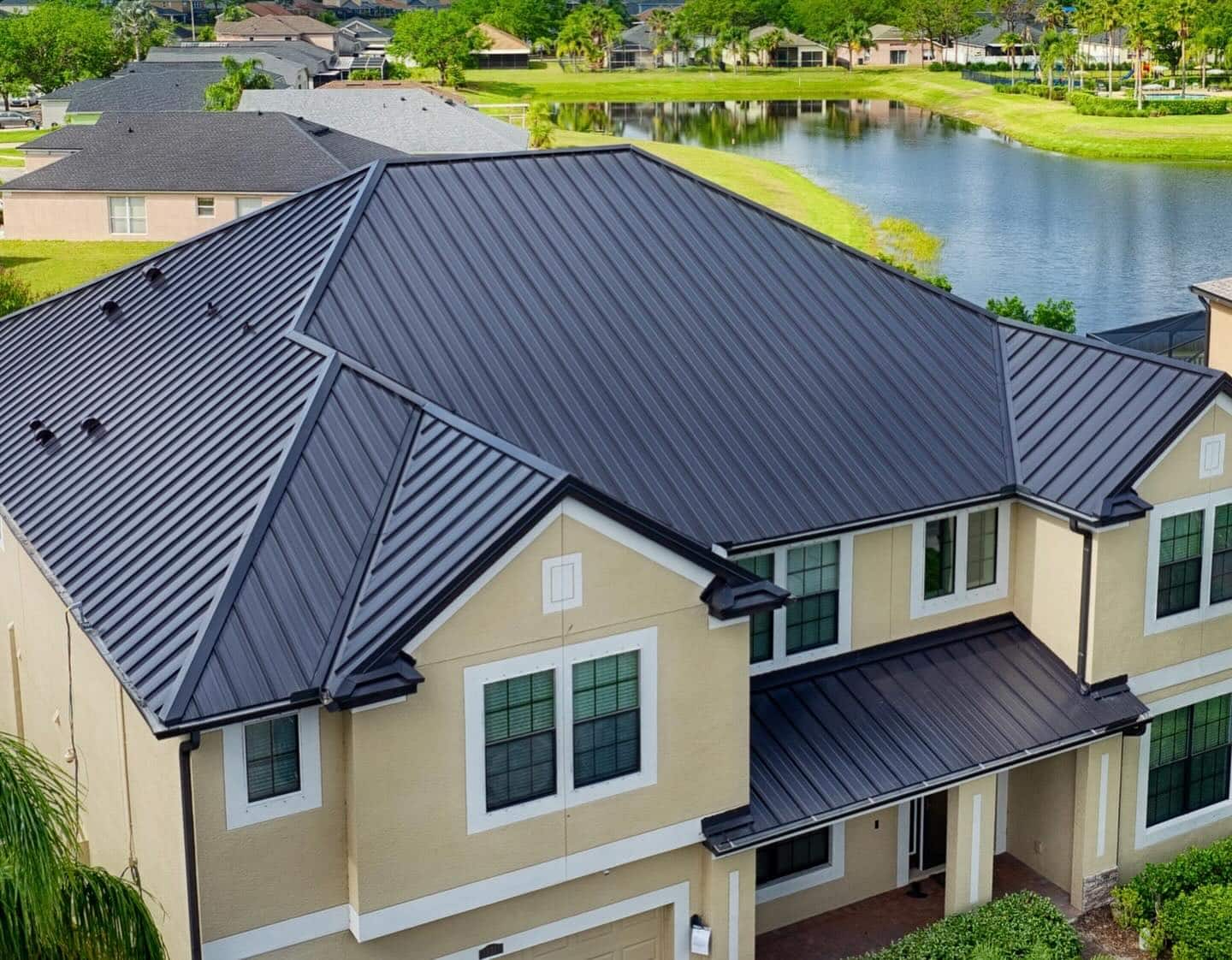
One point worth making clear for Sawgrass homeowners is that there is a technical consideration in metal roofing called galvanic corrosion, and while it sounds intimidating, it is a well understood and entirely manageable issue that a knowledgeable contractor handles as a matter of course. Galvanic corrosion is a process that can occur when two dissimilar metals are in contact with one another in the presence of moisture, the result being that one of the two metals corrodes. Moisture plays a role in the process, so it relates to conditions where the metals get wet, which on a roof is a relevant consideration. In the context of metal roofing, this matters because a roof comprises more than a single metal. It involves the roofing panels themselves plus fasteners, flashing, and various accessories, and if incompatible metals are combined, for instance by using fasteners made of a metal that is incompatible with the roofing metal, or by combining certain metals in direct contact, galvanic corrosion can result at those points. This is precisely why material compatibility is important in roofing, and why proper material selection is a genuine part of doing the job right. The encouraging reality for a homeowner is that this is a known, recognized consideration rather than an unpredictable hazard, which means it is understood and can be reliably managed. A knowledgeable contractor knows which metals, fasteners, flashing, and accessories are compatible and work together without causing the problem, and selects them accordingly, so that compatibility is built into the roof from the start and galvanic corrosion is simply avoided by design rather than being something that has to be dealt with after the fact.
It also helps Sawgrass homeowners to understand the practical ways galvanic corrosion is avoided and why this all comes down to working with a knowledgeable contractor, because the homeowner's real takeaway is that this is a detail a quality installer handles for them. There are a few main practices involved. The foundation is using compatible metals throughout the roof, because compatible metals do not cause galvanic corrosion when in contact, so choosing materials with compatibility in mind from the start avoids the issue. Closely related is using matched, compatible fasteners, since the fasteners need to suit the roofing metal so that no galvanic corrosion occurs at the fastening points, which are numerous on a roof. Where dissimilar metals genuinely must meet for some reason, proper separation, such as placing a barrier between them, can prevent the direct contact that would otherwise lead to corrosion. And the flashing and accessories should likewise be of compatible metals, so that the entire roof system, not just the panels, is compatible as a whole. The common thread is that avoiding galvanic corrosion requires a knowledgeable approach to material selection across the whole system, and this is exactly the kind of expertise that a quality contractor brings. A good contractor knows metal compatibility, selects the right materials, and handles the whole matter as a routine part of doing the job correctly, which means it is genuinely not something a homeowner needs to worry about themselves. Rather, it is one more reason to choose a quality, knowledgeable contractor, because getting these material details right is part of what separates a properly built, long lasting metal roof from one with avoidable problems, and it gives the homeowner real peace of mind.
One point worth making clear for Sawgrass homeowners is that there is a technical consideration in metal roofing called galvanic corrosion, and while it sounds intimidating, it is a well understood and entirely manageable issue that a knowledgeable contractor handles as a matter of course. Galvanic corrosion is a process that can occur when two dissimilar metals are in contact with one another in the presence of moisture, the result being that one of the two metals corrodes. Moisture plays a role in the process, so it relates to conditions where the metals get wet, which on a roof is a relevant consideration. In the context of metal roofing, this matters because a roof comprises more than a single metal. It involves the roofing panels themselves plus fasteners, flashing, and various accessories, and if incompatible metals are combined, for instance by using fasteners made of a metal that is incompatible with the roofing metal, or by combining certain metals in direct contact, galvanic corrosion can result at those points. This is precisely why material compatibility is important in roofing, and why proper material selection is a genuine part of doing the job right. The encouraging reality for a homeowner is that this is a known, recognized consideration rather than an unpredictable hazard, which means it is understood and can be reliably managed. A knowledgeable contractor knows which metals, fasteners, flashing, and accessories are compatible and work together without causing the problem, and selects them accordingly, so that compatibility is built into the roof from the start and galvanic corrosion is simply avoided by design rather than being something that has to be dealt with after the fact.
It also helps Sawgrass homeowners to understand the practical ways galvanic corrosion is avoided and why this all comes down to working with a knowledgeable contractor, because the homeowner's real takeaway is that this is a detail a quality installer handles for them. There are a few main practices involved. The foundation is using compatible metals throughout the roof, because compatible metals do not cause galvanic corrosion when in contact, so choosing materials with compatibility in mind from the start avoids the issue. Closely related is using matched, compatible fasteners, since the fasteners need to suit the roofing metal so that no galvanic corrosion occurs at the fastening points, which are numerous on a roof. Where dissimilar metals genuinely must meet for some reason, proper separation, such as placing a barrier between them, can prevent the direct contact that would otherwise lead to corrosion. And the flashing and accessories should likewise be of compatible metals, so that the entire roof system, not just the panels, is compatible as a whole. The common thread is that avoiding galvanic corrosion requires a knowledgeable approach to material selection across the whole system, and this is exactly the kind of expertise that a quality contractor brings. A good contractor knows metal compatibility, selects the right materials, and handles the whole matter as a routine part of doing the job correctly, which means it is genuinely not something a homeowner needs to worry about themselves. Rather, it is one more reason to choose a quality, knowledgeable contractor, because getting these material details right is part of what separates a properly built, long lasting metal roof from one with avoidable problems, and it gives the homeowner real peace of mind.
Get Compatible Materials From Us
Sawgrass Metal Roofing installs metal roofing with compatible materials across Sawgrass and Hamilton County. Call (765) 676-3491 for a free consultation on a metal roof done with the right materials.